
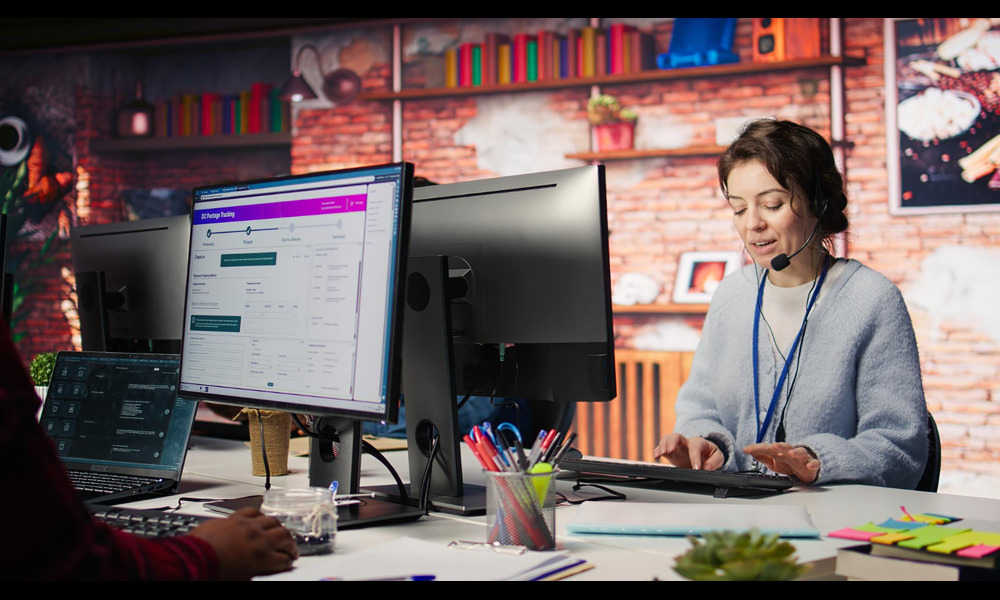
Event management companies in India juggle bookings, venue and caterer contracts, decorators, sound vendors, staff rosters, advance payments, and GST invoices, often at the same time. When these live in separate spreadsheets and WhatsApp threads, margins shrink and clients get frustrated. ERP software for event management companies in India brings bookings, vendors, finances, and execution into one system, so your team spends its time delivering events rather than chasing data.
What Is ERP for an Event Management Company?
An Enterprise Resource Planning system for an event company links sales, event planning, procurement, equipment inventory, staffing, accounts, and reporting in one database. Unlike general accounting software, it treats each event as a project with its own budget, timeline, vendor commitments, and profitability. That project-level view is what separates event ERP from a basic billing tool.
Core Modules an Event Company Needs
Lead and booking management captures enquiries from calls, WhatsApp, and your website, converts them into quotations, and tracks each lead through to confirmed booking. Event planning builds run-of-show schedules, assigns tasks to team members, and alerts you when a deadline slips.
Vendor and procurement management keeps a vendor master with rates, past performance, and contract terms. Purchase orders raised against an event budget show cost overruns before they happen. Job costing compares the quoted amount with actual spend for each event, which reveals whether a wedding package or corporate contract is actually profitable.
Equipment and inventory tracking covers stage structures, lighting, sound systems, chairs, and linen, with check-in and check-out logs that reduce losses. Staff and labour scheduling plans crew shifts, tracks attendance on event days, and calculates wages and overtime. Billing, GST, and collections generate GST-compliant invoices with the correct CGST, SGST, or IGST split, schedule advance and milestone payments, send reminders, and reconcile receipts against bookings. Reporting and dashboards show revenue by event type, vendor cost trends, and margin per client in real time.
Why Margin Visibility Matters Most
The biggest gain for most agencies is knowing their margin while an event is still in progress. Many discover only afterward that a package lost money because vendor costs were never tracked against the quote. Job costing fixes this. A single client record also speeds up sales: your team can see past events, preferences, and outstanding payments in seconds. And GST compliance becomes routine rather than a month-end scramble, which matters when corporate clients need proper tax invoices.
How to Choose the Right Event Management ERP
Look for five things. First, event-level job costing, not just general ledger accounting. Second, GST billing and e-invoicing readiness. Third, mobile access so field coordinators can update status on site. Fourth, data that moves between sales, operations, and accounts without re-entry. Fifth, local implementation and support in India.
Before you buy, ask the vendor to demonstrate a real event workflow from end to end: enquiry to quotation, vendor purchase order, event-day attendance, and final invoice with a profit report. A vendor that cannot show this live will likely leave you with more manual work, not less.
Implementation: A Realistic Path
Start with one or two event types, such as weddings or corporate conferences. Load your vendor master, rate cards, and last year’s event data. Run two or three live events in parallel with your old process before retiring the spreadsheets. Most small agencies can finish this within a few weeks, provided one person owns the data and the quality of the information going in.
A worked example makes the value concrete. Suppose a corporate package is quoted at ₹10 lakh with ₹7.2 lakh of planned vendor, staff, and equipment cost, leaving a planned margin of ₹2.8 lakh. If an ERP tracks purchase orders against that budget, a ₹60,000 overrun on sound and staging shows up on day one, not after the invoice is paid. The coordinator can renegotiate or rebalance the remaining costs while the event is still being planned.
Frequently Asked Questions
Is ERP software suitable for a small event management company in India?
Yes. Cloud-based ERP with per-user pricing lets a small agency start with bookings, vendor purchase orders, and billing, then add HR or inventory modules as it grows.
Does event management ERP handle GST invoicing?
A good event ERP generates GST-compliant invoices with the correct tax split and supports advance and milestone billing. Confirm this in your demo using one of your own tax scenarios.
Can an ERP track profit for each event?
Yes. Job costing compares the client quotation with actual vendor, staff, and equipment costs, showing margin per event rather than only at year end.
How long does implementation take?
For a small agency, core modules can usually go live in a few weeks. Multi-city operations need a phased rollout.
Will my team adopt it?
Adoption is easier when the system matches how your team already works. Involve coordinators and sales staff in configuration, and provide mobile access so field teams are not tied to a desk.
Ready to Run Your Event Business From One Platform?
Every event where margin leaks is an event you can fix. ApnaERP helps Indian event companies manage bookings, vendors, budgets, GST billing, and event-day operations from one system. Book a free demo using one of your real event workflows, or request a quotation based on your team size and event volume. Our team will walk you through the modules that matter most to your business.
 13 Oct, 2026